

Sound Experiments
Play a Melody Backwards, Then Turn Its Intervals Upside Down
Make three versions of a short melody to hear the difference between retrograde and inversion, using an original five-note exercise.
Approachable ways to turn everyday listening into a small creative project.
Make three versions of a short melody to hear the difference between retrograde and inversion, using an original five-note exercise.
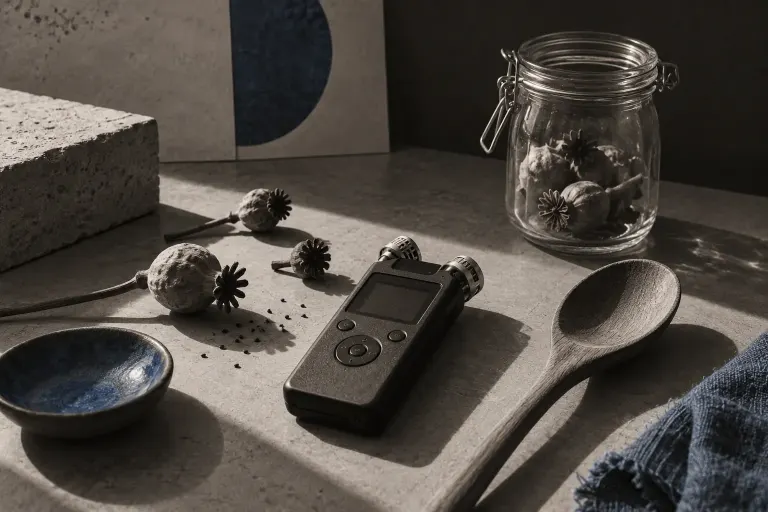
A tiny musical idea can change when different people perform it. This listening exercise follows one gesture through a group without asking everyone to…
Choosing what to leave out can give a small composition a clearer identity. Begin with four quiet sounds you can make safely, then remove one before…
An interruption can become part of a small composition when the performers agree how to return. The exercise is to design recovery, rather than expecting a…
Chance can give you a musical starting point when choosing the first sound feels harder than making it. The interesting part comes afterwards, when you…
A small change of listening position can become a useful sound experiment without buying equipment or trying to measure a room professionally.

A long line on a homemade score might mean a long sound, a loud sound or a movement across the room. If the performer must guess which meaning you intended,…
A short rhythm can become longer without changing the relationship between its parts. Doubling every sound and gap offers a way to hear that relationship…